




















Paysafecard is a prepaid voucher that lets you fund a casino account with cash instead of a bank card or bank account. Buy a 16-digit PIN at a shop or online, type it in at the cashier, and the balance is yours to play with, no bank login, no card number, nothing that ties the deposit back to a bank account.
That’s the appeal in one line: a spending cap you set yourself, no personal banking details shared with the casino, and a deposit that clears instantly. It’s not a fit for every player (there’s no way to withdraw winnings back onto the same voucher), but for funding an account privately and staying inside a fixed budget, it’s one of the cleaner options on the market.
Our Top Paysafecard Casino at a Glance
Before getting into how Paysafecard works at the cashier, here’s a closer look at the three highest-rated casinos on our site that actually accept it as a deposit method.
7Bit Casino – deepest game library of the three (4.5/5)
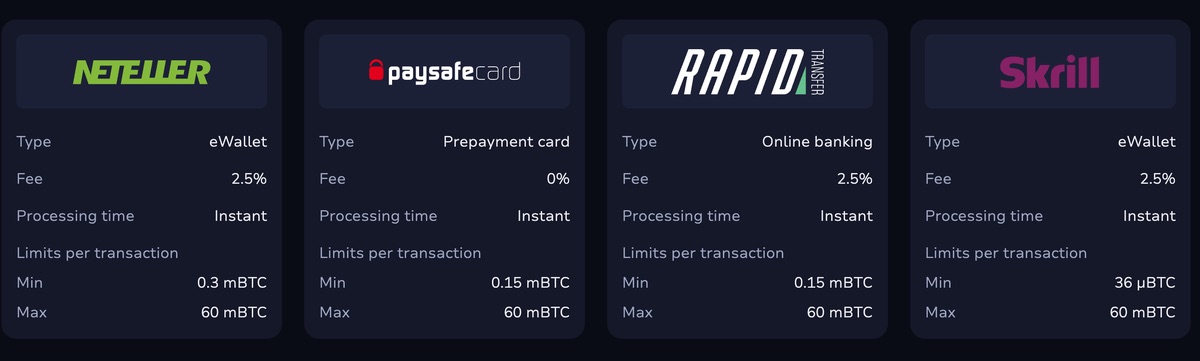
7Bit Casino lists PaySafeCard among its fiat deposit options alongside Skrill, Neteller, and standard cards, so a Paysafecard PIN sits next to more familiar methods rather than being an afterthought. The four-deposit welcome package (up to a 100% match plus free spins on each of the first four deposits) applies whichever fiat or crypto method funds the account.
With over 2,500 games and 24/7 live chat backing it up, 7Bit is the strongest all-round pick of the three for a Paysafecard deposit. Read the full 7Bit Casino review for the complete breakdown of bonuses, games, and withdrawal times.
What Is Paysafecard and How Does It Work?
Paysafecard is a closed-loop prepaid voucher issued through Paysafecard’s parent company, Wertkarten GmbH. In the US, the card is a closed-loop gift card issued by The Bancorp Bank N.A., a member of the FDIC, a detail that matters if you want reassurance the product is a real, regulated instrument and not some throwaway prepaid code.
Buying one is simple: pick up a physical voucher at a participating retail outlet in denominations like $10, $25, $50, or $100, or buy a PIN online through Paysafecard’s own retailers. Each voucher comes with a 16-digit PIN. Enter that PIN at a casino cashier that lists Paysafecard as a deposit option, and the balance loads instantly, no card number, no bank login, no personal data required for the no-registration path.
Registering for a My Paysafecard account (separate from the casino account) adds a few conveniences, like combining multiple vouchers into one balance and paying with a username and password instead of typing a fresh PIN every time, but it isn’t required to deposit.
Depositing with Paysafecard
Depositing with Paysafecard at any of the casinos above follows the same handful of steps:
- Buy a Paysafecard voucher at a retail outlet, or a PIN online through an authorized Paysafecard retailer.
- Log into the casino account and open the cashier or deposit page.
- Select Paysafecard from the list of deposit methods.
- Enter the deposit amount and the voucher’s 16-digit PIN (or log in with a My Paysafecard account if one is set up).
- Confirm the deposit. The balance lands in the casino account immediately, no waiting period.
Because the whole transaction runs on the PIN rather than a card number, there’s nothing left behind that a casino, or anyone else, could use to pull further funds from a bank account. That’s the core trade a Paysafecard deposit makes: speed and privacy, in exchange for giving up any refund or chargeback path if something goes wrong with the deposit itself.
Withdrawals
Paysafecard is a one-way rail. It’s built to move money into an account, not back out of one, so no casino pays winnings back onto a Paysafecard PIN. Both Casino Extreme and Coins Game confirm this directly in their own accepted-methods lists, where Paysafecard shows up as a deposit method only, absent entirely from the withdrawal side.
In practice that means setting up a second payment method for cashing out before depositing with Paysafecard in the first place. Bank transfer, an e-wallet like Skrill or Neteller, or crypto (where the casino supports it) are the usual routes casinos fall back on for a Paysafecard depositor’s payout. Check which options a specific casino offers for withdrawals before funding the account, so a win doesn’t end up stuck waiting on a payout method that was never set up.
Fees & Limits
Casinos generally don’t charge anything extra for a Paysafecard deposit; it’s treated the same as any other prepaid method at the cashier. The fees that do apply sit on Paysafecard’s own side, at the point of buying the voucher and, much later, if a balance goes untouched:
- Retailer purchase fee, charged when buying the voucher: $1.49 on a $10 voucher, $2.49 on $25, and $3.49 on both $50 and $100 vouchers.
- Maximum transaction size: $300 per PIN, whether it’s a classic voucher or a registered Paysafecard account, in the US market.
- Registered account caps: up to $1,000 in PIN value held at once, and up to $1,000 in used-PIN value per month.
- Dormancy fee: $2 a month, deducted from any leftover balance only after 24 straight months of inactivity.
The $300 transaction cap is the number that matters most for casino play. A single voucher, or a single deposit through a registered account, tops out there, so a bigger bankroll means buying multiple vouchers or depositing across more than one transaction.
Paysafecard Casino Bonuses
A Paysafecard deposit typically qualifies for the same welcome bonuses, reload offers, and free spins packages as any other fiat deposit method at the casinos that accept it. 7Bit’s four-deposit welcome package and Casino Extreme’s welcome menu both apply regardless of which fiat method funds the deposit.
The one thing worth checking case by case is whether a specific promotion excludes prepaid vouchers outright; some reload or no-deposit offers list eligible payment methods separately from the welcome package, and Paysafecard doesn’t always make every list. Reading the bonus terms before opting in avoids a deposit that turns out not to qualify.
Is Paysafecard Safe to Use at Online Casinos?
Paysafecard is one of the safer deposit methods available precisely because of how little it shares. There’s no bank account number or card number involved in a no-registration purchase, so a casino (or anyone who intercepts the transaction) never gets hold of banking details that could be reused elsewhere. In the US, the underlying card is issued by The Bancorp Bank N.A., an FDIC member, which adds a layer of regulated-issuer backing that some prepaid competitors don’t have.
The trade-off runs the other way once money is loaded. A Paysafecard PIN behaves like cash: if it’s lost, stolen, or the 16 digits leak before it’s spent, there’s no chargeback and no bank to call. Buy from an authorized retailer or Paysafecard’s own online shop, keep the PIN private the way cash would be kept private, and the method holds up as one of the more private, lower-risk ways to fund a casino account.
Why Your Paysafecard Deposit Might Get Declined
A handful of causes account for most declined Paysafecard deposits, and they’re worth ruling out in order before assuming something’s actually broken:
- The 16-digit PIN was mistyped. It happens more than you’d think with a code that long, so double-check every digit before resubmitting.
- The voucher balance is lower than the deposit amount entered. Paysafecard won’t top up a shortfall from another source mid-transaction.
- The deposit exceeds the $300 per-transaction cap. Split it into two separate deposits instead of retrying the same amount.
- The voucher was purchased in a different country or currency than the casino account is set up for. Regional mismatches are a common, easy-to-miss cause.
- The casino account itself is mid-verification. Some casinos hold deposits, not just withdrawals, until identity checks clear.
If none of these explain it, contacting Paysafecard support directly is the next step, especially if the voucher was bought in one country and the casino account is registered in another.
Alternatives to Paysafecard
Paysafecard isn’t the only way to deposit privately and stay off a bank statement. Neosurf works almost identically, a prepaid PIN bought in fixed denominations, deposit-only at most casinos that take it. For a method that also supports withdrawals, Skrill keeps the e-wallet layer between a bank account and the casino while still allowing winnings to be paid back out to the same account, which is the main gap Paysafecard leaves open.
Anyone who wants the privacy of a voucher deposit but also needs a way to cash out through the same method should weigh that trade-off against the full spread of options on our casino payment methods hub before settling on one.