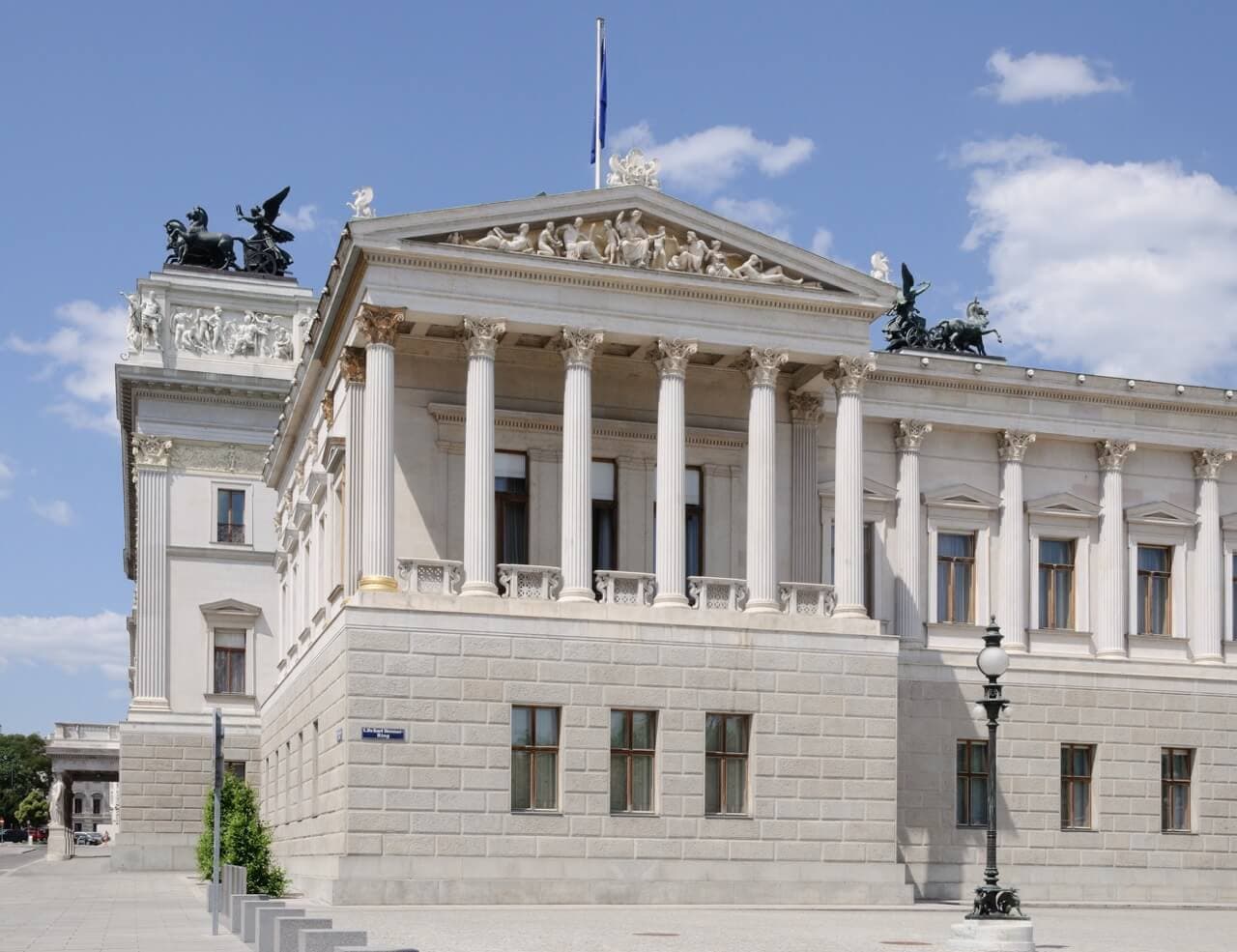
Austria’s plan to end its decades-old online gambling monopoly just took its first real procedural step. The country’s Finance Ministry has formally submitted the draft Gambling Act reform to the European Commission, starting a mandatory three-month review clock before Austria can move to adopt it.
What happened today
The draft has entered the EU’s Technical Regulation Information System, the notification process every member state has to run a new gambling law through. That triggers a three-month standstill period during which the European Commission and other EU countries can review the draft and raise objections before Austria is free to adopt it domestically. It’s a real, formal milestone, not just another leaked-draft story: the submission was confirmed directly by the Finance Ministry and independently reported the same day by multiple gambling trade outlets.
What’s actually in the draft
The headline change is the end of Austria’s single-operator monopoly on online gambling, replaced by an open concession system where multiple licensed operators can compete. It’s not unlimited, though: casino concessions are capped at 13 total, with bundled allocations allowed under certain conditions.
There’s a real deadline built in for anyone still operating without a license. Companies offering unlicensed gambling in Austria after January 1, 2027 would be locked out of ever getting a license for 18 months, rising to 24 months starting in 2030. License applicants also have to clear outstanding tax bills and unpaid player-protection claims first. Enforcement against illegal operators would lean on payment blocking, blacklisting, and network blocking.
Player protection is the other half of the bill. It creates a single self-exclusion register covering casinos, slot machines, and online gambling together, the first time Austria has unified those, along with mandatory deposit limits that go lower specifically for players aged 18 to 26. Operators would have to submit gambling-harm data for scientific research, and physical slot machines would face slower gameplay speeds plus a mandatory cool-down after 90 minutes of continuous play.
What happens next
The three-month EU standstill period runs into November 2026. If the Commission or another member state doesn’t force major changes during that window, the bill goes back to Austria’s parliament for final approval before it can actually take effect. For international operators watching Austria as a potential new licensed market, this is the step that determines whether the timeline set out earlier this year actually holds.