A federal judge has blocked Minnesota from enforcing the country’s first state law banning prediction markets, days before it was due to take effect. The ruling keeps Kalshi and Polymarket operating in the state while a broader legal fight over who gets to regulate prediction markets plays out in court.
What happened
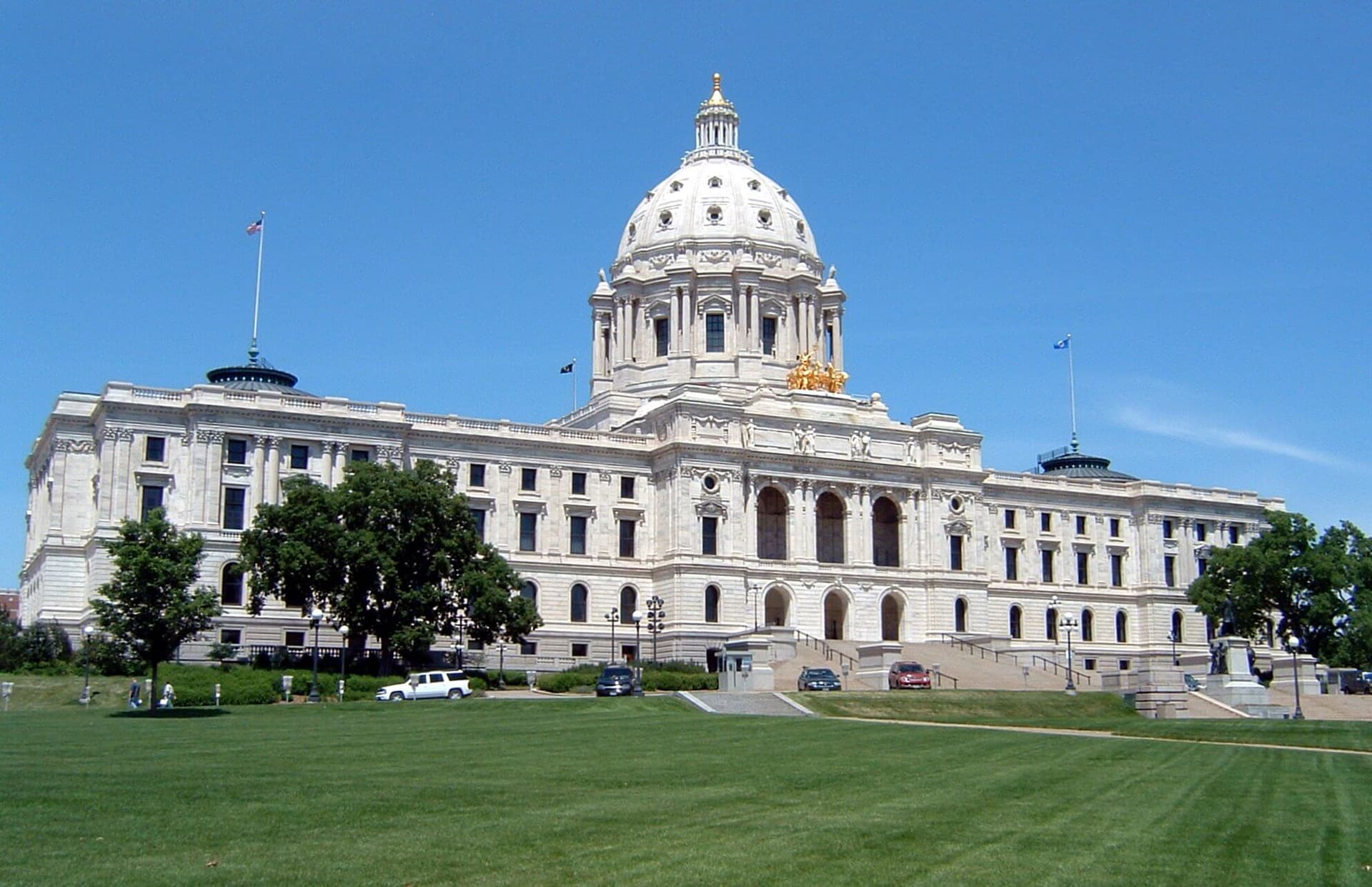
Minnesota Governor Tim Walz signed a public-safety bill on May 18, 2026 that made it a crime to operate, host, or advertise a prediction market in the state. The law was set to take effect on August 1. On July 27, U.S. District Judge Katherine Menendez granted a preliminary injunction blocking it, siding with a lawsuit brought by the Commodity Futures Trading Commission, Kalshi, and Polymarket.
Judge Menendez found the plaintiffs were likely to succeed on their argument that federal law preempts the state ban, and that letting the law take effect would cause the platforms “irreparable harm.” The law stays blocked while the underlying case continues.
Minnesota Attorney General Keith Ellison called prediction markets “gambling, plain and simple” and said the state “has every right to keep predatory gambling out of our communities,” adding that he plans to keep defending the law despite the setback. Polymarket’s chief legal officer, Neal Kumar, said the ruling confirms that platforms registered with the CFTC “are governed by federal law, not a patchwork of state rules.” A Kalshi spokesperson said plainly that “states cannot ban things that they don’t have jurisdiction over.”
The bigger fight behind one state’s law
Minnesota isn’t fighting this alone, and it isn’t the only front. In April 2026, the federal government sued Connecticut, Arizona, and Illinois over their own attempts to regulate prediction market operators, while New York separately sued Coinbase and Gemini over their event-contract offerings. The core disagreement is the same everywhere: platforms like Kalshi and Polymarket say they’re CFTC-regulated financial exchanges, and states say the products look and function like sports betting, which falls under their own gambling laws.
The stakes go beyond one court case. The American Gaming Association estimates states have lost more than $1.2 billion in tax revenue since prediction markets began offering sports-style event contracts, since that activity happens outside the licensed, taxed sportsbook framework most states have built over the past several years. Separately, the CFTC has opened its own rulemaking process to decide which event contracts it considers “contrary to the public interest” and should be barred even from CFTC-regulated platforms, so the fight isn’t purely states against Washington.
What it means for players
For now, Minnesota residents can keep using Kalshi and Polymarket exactly as before. Nothing about this ruling is final. It’s a preliminary injunction, not a verdict, and Minnesota’s attorney general has already signaled he’ll keep fighting the underlying case. The same legal question is unresolved in several other states, so expect more rulings like this one before there’s a settled national answer on whether prediction markets get treated as commodities trading or as gambling.
The debate over that question isn’t just playing out in courtrooms. It’s the same split showing up in reader reaction to the ruling: some see prediction markets as gambling that deserves the same guardrails as sportsbooks, others see them as a legitimate, newer form of financial trading that shouldn’t be regulated the same way. That disagreement, as much as the legal one, is why this keeps ending up in front of a judge state by state.
Regulatory pressure on gambling-adjacent products has been building on multiple fronts this year, from the wave of state bans on sweepstakes casinos to a broader global crackdown on anonymous gambling platforms. Prediction markets are now the newest product caught in that same regulatory squeeze.